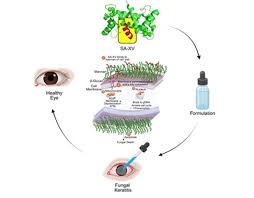


The team, including researchers from the L V Prasad Eye Institute in Hyderabad, designed a 15-residue peptide, named SA-XV, derived from a larger host-defense peptide — S100A12. This peptide, previously shown to inhibit fungal growth, has been characterised for its antifungal potency and mechanism of action.
Published in the Journal of Biological Chemistry, the researchers hailed the new therapy as an alternative to antimycotics (antifungals) with reduced side effects.
Corneal infections, often referred to as a slow epidemic, affect a significant portion of the population in India, particularly among those with agricultural backgrounds. Overuse and poor hygiene practices related to contact lenses are also a major contributor to corneal infections.
Currently, amphotericin B is the only drug available to treat fungal infections. However, its use is limited due to kidney damage and high haemolytic activity, where red blood cells (RBCs) are being destroyed too quickly. This creates an urgent need for the development of potent antimycotic drugs that are safe for mammalian cells.