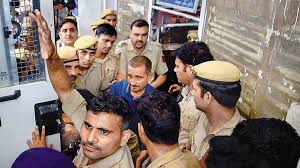


However, the backdrop to this agitation is fraught with tension and controversy. Khan’s incarceration for over two years and the 17‑year sentence in the Toshakhana case have sparked sharp criticism from his party, which accuses the current establishment of subverting democratic processes and weakening state institutions. While Khan and his supporters insist street movements will remain peaceful and within legal bounds, there are clear signs of a fraught political atmosphere, with repeated clashes between authorities and protestors over access to Khan and restrictions on demonstrations.
The situation raises important questions about Pakistan’s political stability and the role of street protest as a tool of political expression. On one hand, the right to peaceful protest is a cornerstone of democratic engagement; on the other hand, prolonged unrest risks deepening divisions and unsettling democratic norms. As both sides prepare for further mobilisation, the essential challenge remains how to balance robust political dissent with respect for legal frameworks, avoiding escalation that could further strain Pakistan’s fragile political fabric.